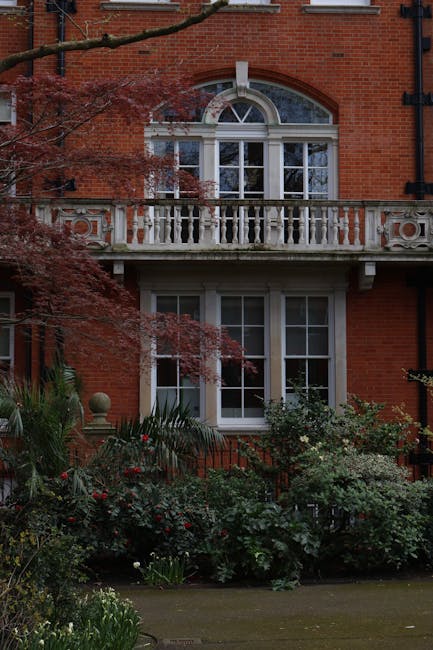
Kilburn gardeners real cost guide for small front gardens
If you have a small front garden in Kilburn, you probably want a clear answer to one simple question: what does it really cost to get it looking tidy, healthy, and properly maintained? Not the vague "starting from" type answer. The real one. The one that helps you budget without nasty surprises.
This Kilburn gardeners real cost guide for small front gardens breaks down the usual pricing factors, the kinds of jobs that commonly come up, and where the money tends to go. It also explains how to compare quotes sensibly, when a one-off visit makes sense, and when regular maintenance is better value. Small front gardens can be deceptively fiddly, to be fair. They look compact, but access, waste removal, edging, soil condition, and finishing details can all affect the final bill.
Along the way, we will keep things practical and local. If you are weighing up a quick refresh before guests arrive, or you want the front of your home to stop looking a bit neglected every Friday morning when you step outside, this guide should help you make a calmer decision.
Table of Contents
- Why Kilburn gardeners real cost guide for small front gardens Matters
- How Kilburn gardeners real cost guide for small front gardens Works
- Key Benefits and Practical Advantages
- Who This Is For and When It Makes Sense
- Step-by-Step Guidance
- Expert Tips for Better Results
- Common Mistakes to Avoid
- Tools, Resources and Recommendations
- Law, Compliance, Standards, or Best Practice
- Options, Methods, or Comparison Table
- Case Study or Real-World Example
- Practical Checklist
- Conclusion
- Frequently Asked Questions
Why Kilburn gardeners real cost guide for small front gardens Matters
Front gardens are different from back gardens. They are visible from the street, they shape first impressions, and they usually need more precise finishing. In Kilburn, where many homes have modest outdoor space, that means even a small front area can take a surprising amount of care if you want it to look genuinely neat rather than merely cut back.
Cost matters because small jobs often get underestimated. A tidy lawn edge, a compact border, a few weeds removed from paving cracks, and a smart prune can all sound straightforward. Then the gardener arrives and finds overgrown shrubs, awkward access, bags of green waste, and beds that have not been touched properly in months. The job is still small in size, but not always small in effort.
That is why a real cost guide is useful. It helps you separate:
- basic maintenance from restoration work
- simple labour from time-consuming detailing
- visible garden size from actual workload
- cheap quotes from proper value
It also helps you ask better questions. Instead of "How much for a front garden?", you can ask what is included, whether waste disposal is part of the price, and whether the gardener expects to return regularly. Those are the questions that usually decide the final figure.
For homeowners who want a reliable local service, it is worth reviewing a provider's pricing and quotes approach and the broader services overview before requesting work. That gives you a more grounded sense of how jobs are scoped.
How Kilburn gardeners real cost guide for small front gardens Works
The cost of a small front garden usually comes from a combination of labour, materials, waste handling, and the condition of the space on the day. That sounds simple. In practice, it is where most confusion starts.
Here is the basic way most gardeners think about pricing:
- Assess the garden size and layout. A narrow paved frontage with a few pots is a different job from a small planted garden with hedges and beds.
- Judge the current condition. Routine upkeep is quicker than a first visit after months of neglect.
- Factor in access. Tight side access, no parking nearby, or carrying waste through the property can add time.
- Include the specific tasks. Lawn cutting, weeding, hedge trimming, pruning, jet washing, planting, soil improvement, and edging are not priced the same way.
- Decide whether waste disposal is included. Green waste bags, transport, and tipping all have a cost.
- Choose one-off or recurring work. A regular maintenance visit is often more efficient than repeated rescue jobs.
For a small front garden, pricing is often less about square footage and more about the time needed to achieve a clean finish. Truth be told, two front gardens of the same size can vary wildly in cost if one is open and easy, while the other is packed with roots, self-seeded growth, and a border that has become a little jungle-like. Happens all the time.
A good quote should reflect the actual job, not just a rough guess. If a gardener offers a price without asking what is growing, what needs removing, and how tidy the finish should be, that quote may not hold up once the work starts. That is where misunderstandings creep in.
Key Benefits and Practical Advantages
A well-managed small front garden offers more value than many people expect. The benefits are not only visual, though that is a big part of it.
- Stronger curb appeal: A neat frontage improves the look of the whole property, even if the garden itself is tiny.
- Better control of ongoing costs: Small regular visits are usually easier on the budget than large catch-up jobs.
- Less stress: You do not have to keep wondering whether the weeds will win this month.
- Healthier planting: Proper pruning, feeding, and soil care can keep shrubs and borders in better shape for longer.
- Safer access: Clear paths and tidy edges reduce slips, trips, and awkward overgrowth near entrances.
- Cleaner presentation: For homes on busy streets, a neat front garden keeps the property looking cared for, even on a rainy Tuesday morning.
There is also a quieter benefit: consistency. Once a small front garden is on a sensible maintenance cycle, it stops becoming a constant little project. That matters more than people think. Nobody wants to spend every spring starting again from scratch.
Cost control is often improved when you bundle tasks. For example, a gardener who is already visiting to weed and shape borders may be able to handle edge tidying and light pruning in the same appointment more efficiently than separate visits would allow. That is one reason asking for a clear scope is so useful.
Expert summary: For small front gardens, the real cost is usually driven by time, access, and finish quality more than size alone. The best value often comes from clear scoping, regular maintenance, and avoiding rescue work that has built up for months.
Who This Is For and When It Makes Sense
This guide is for homeowners, landlords, and property managers who want a realistic picture of front garden gardening costs in Kilburn. It is especially useful if your outdoor space is:
- a compact patch with borders and a short path
- a small paved front area with planters or pots
- a narrow garden that needs light but regular upkeep
- an overgrown frontage that needs a first-time tidy-up
- a property that you are preparing for sale, let, or a family event
It also makes sense if you have tried DIY gardening and found that the actual issue is not effort, but time. One Saturday disappears, the weeds are still there, and the hedge somehow looks worse after you touched it. We have all seen that sort of thing. Gardening has a way of being humble in public.
You may not need a professional for every tiny task. But if the front garden is the face of the property and you want it to look tidy without constant attention, a gardener can be a sensible investment rather than a luxury.
If you are still working out whether you need a one-off visit or a more structured service, the local about us page can help you understand the kind of service approach to expect from an established gardener, while contact us is the natural next step when you are ready to talk specifics.
Step-by-Step Guidance
If you want to estimate the true cost of a small front garden in Kilburn, it helps to break the process into manageable steps. This is the part that saves you from guesswork.
1. Define the job clearly
Walk to the front gate and look at the space as if you were seeing it for the first time. What actually needs doing? Be specific.
- grass cutting or strimming
- weeding paved areas and borders
- hedge or shrub trimming
- pruning dead or overlong growth
- leaf clearance
- mulching, feeding, or light planting
- jet washing paths or steps, if appropriate
The more clearly you define the work, the less likely you are to get a quote that is too high or unrealistically low.
2. Decide how tidy you want it to look
This sounds obvious, but it matters. A "tidy" front garden can mean a quick clean-up, or it can mean straight edges, bare soil weeded back, shaped shrubs, and paths spotless. The difference in labour is real.
If you are preparing a property for viewings or a special occasion, mention that. The gardener may need to spend more time on detail. If you just want the place to stop looking untidy from the pavement, that is a different brief.
3. Ask what is included in the price
Before accepting any quote, check whether it includes:
- labour only or labour plus materials
- green waste removal
- fuel or transport
- small consumables such as compost or mulch
- VAT, if applicable
- a return visit for follow-up work
That little list can change the final total quite a bit. And yes, "waste removal included" is one of those phrases you want written down rather than assumed. Saves arguments later.
4. Compare the quote against the condition of the garden
If one quote seems much cheaper than the others, ask yourself why. Does it leave out waste disposal? Is it based on an ideal condition that does not match your garden? Or is the gardener simply offering a leaner, no-frills service?
Sometimes a lower price is fine. Sometimes it is just missing the hard bits.
5. Choose a schedule that fits the space
Small front gardens usually work best with routine maintenance. That might be every 2 to 4 weeks in the growing season, then less often in winter depending on the planting. A regular rhythm prevents the garden from becoming expensive to restore.
That regularity is one reason many homeowners prefer ongoing care rather than repeated emergency tidy-ups. The budget becomes steadier, and the garden looks calmer. Simple, really.
Expert Tips for Better Results
Here are some practical things that make a noticeable difference, both to the quality of the work and the final cost.
- Send photos before booking. A couple of clear pictures usually help a gardener quote more accurately than a vague description.
- Say whether parking is difficult. In Kilburn, that can affect timing more than people expect.
- Keep tasks grouped. If the gardener is already there for pruning, ask about weeding or edging in the same visit.
- Ask for maintenance advice. A few minutes of guidance can save money over the season.
- Prioritise structure first. Borders, edges, and pruning often make the biggest visual difference in small front gardens.
- Use seasonal timing wisely. A tidy-up before peak growth often costs less than waiting until everything is overgrown.
One of the best things you can do is be honest about the state of the garden. No shame in it. Every gardener has seen a patch where the weeds are quietly winning. A straightforward description leads to a better quote and fewer awkward surprises on the day.
If recycling and responsible disposal matter to you, you may also want to review the business's recycling and sustainability approach. That is especially relevant if your job includes a fair bit of green waste or old planting material.
Common Mistakes to Avoid
Most budget problems with small front gardens come from a handful of predictable mistakes. Once you know them, they are easier to avoid.
- Booking on price alone: The cheapest quote is not always the best value if it excludes waste removal or proper finishing.
- Underestimating the first visit: A neglected garden usually costs more to reset than to maintain.
- Not specifying access: Narrow paths, gated fronts, or awkward carry routes all affect labour time.
- Mixing restoration with routine care: These are different jobs and should usually be priced differently.
- Ignoring seasonal growth: A small garden can look fine one month and unruly the next. That is just how plants behave. Slightly rude of them, really.
- Forgetting waste disposal: A bag full of clippings is fine; six bags and cut branches are another matter.
Another common mistake is assuming every gardener prices in the same way. Some quote by the hour, some by the visit, and others by the task. None of those models is automatically wrong. The key is knowing which one suits your garden and your expectations.
Finally, do not be shy about asking what happens if the work turns out to be more extensive than planned. A professional will usually explain how they handle scope changes. That is exactly the sort of conversation that helps avoid friction later.
Tools, Resources and Recommendations
You do not need a van full of kit to manage a small front garden well, but a few basics matter. For homeowners doing light maintenance themselves between visits, useful tools usually include:
- good secateurs for light pruning
- a hand fork or narrow weeding tool
- an edging tool for clean lines
- a broom or leaf rake for paths and steps
- gloves and a garden waste bag or bin
If you are hiring a gardener, you should not need to worry about equipment in most cases. What matters more is whether the service is properly organised and whether safety, waste handling, and payment terms are clear. For that reason, it can be sensible to look at practical pages such as insurance and safety, health and safety policy, and payment and security before you book.
That may sound a bit formal for a front garden. But honestly, a tidy outdoor space and a trustworthy service tend to go hand in hand. Makes life easier.
Law, Compliance, Standards, or Best Practice
For most small front garden jobs, the main concerns are not legal complexity but sensible practice. Still, there are a few things worth keeping in mind in the UK context.
First, any gardener working on your property should operate with appropriate care for safety, especially where tools, ladders, cuts, lifting, or slippery surfaces are involved. That is basic best practice, not a bonus. You should also expect clear communication about what will and will not be done, particularly if the work includes pruning near boundaries, handling waste, or using powered equipment.
Second, if you are arranging work through a professional service, it is reasonable to check terms and expectations. Reading terms and conditions helps you understand booking, cancellations, and scope changes. If you want to know how your information is handled, the privacy policy is there for that.
Third, if something goes wrong or you have a concern, a clear complaints route is a sign of a more organised business. That is why pages like complaints procedure matter more than they might first appear. Nobody likes to think about problems before booking, but it is reassuring to know there is a process if needed.
You may also notice accessibility, ethical sourcing, or broader business standards on a provider's site. Those details do not change the gardening itself, but they do tell you something about the company's approach. For some readers, that trust signal matters a lot.
Options, Methods, or Comparison Table
There is more than one way to handle a small front garden, and the right method depends on your budget, time, and how visible the space is.
| Approach | Best for | Typical value | Watch out for |
|---|---|---|---|
| One-off tidy-up | Overgrown fronts, move-in prep, occasional refresh | Quick impact, useful reset | Can be more expensive if repeated often |
| Regular maintenance visits | Homeowners who want steady neatness | Usually better long-term control | Needs consistency and scheduling |
| DIY plus occasional professional help | Smaller budgets and simple layouts | Good if you can keep on top of basics | Heavy pruning and waste handling may still need help |
| Seasonal restoration | Front gardens that need a full reset a few times a year | Flexible and focused | Can drift into neglect between visits |
For many Kilburn homes, the sweet spot is often a small mix: a professional tidy-up to get things back under control, then lighter ongoing maintenance to keep the price sensible. That is not always the answer, but quite often it is.
Case Study or Real-World Example
Here is a realistic example based on a typical small front garden scenario in Kilburn.
A homeowner has a narrow frontage with a short path, two small borders, a couple of shrubs, and paving edges that have become fuzzy with weeds. The garden is not huge, but it has been left for a few months. The first impression from the street is a bit tired, especially near the entrance.
At first glance, the owner expects a quick tidy in under an hour. Once the gardener assesses it properly, the job turns out to need more care: edging, hand weeding, light pruning, and waste collection. Nothing dramatic. Just enough detail work to change the whole look. The final price is higher than a bare minimum tidy, but still reasonable because the scope is clear and the work is completed in one visit rather than split into several awkward return trips.
The real lesson? The cost was not only about size. It was about condition, finish, and the fact that the front of the house needed to look respectable from the pavement, not merely "done".
A second visit a month later would be quicker and cheaper because the garden is already back under control. That is the part many people miss. The first reset is the expensive one. Maintenance is where the value usually improves.
Practical Checklist
Use this before requesting a quote or booking a visit.
- Identify the exact tasks you want done
- Take clear photos in daylight
- Note whether access is easy or awkward
- Decide if you want a one-off or regular service
- Ask whether waste removal is included
- Check if materials such as mulch or compost are extra
- Confirm how the gardener prices the job
- Ask about expected duration
- Review insurance, safety, and payment information
- Make sure the brief matches your budget and expectations
Quick takeaway: the more clearly you define your small front garden job, the more likely you are to get a fair price and a better finish. Simple as that.
Conclusion
Small front gardens can be deceptively expensive if they are neglected, poorly scoped, or quoted without enough detail. But they can also be very manageable when you understand what drives the cost and what kind of service you actually need. That is the core value of this guide.
If you remember nothing else, remember this: the real cost is shaped by condition, access, task list, waste, and finish quality. Once you look at those factors properly, the numbers make a lot more sense. And the front of your home feels a bit lighter, too. Less hassle. More order.
If you are weighing up your options, compare the service details, check the pricing approach, and make sure the provider's policies give you confidence before you commit. It does not have to be a big decision, just an informed one.
Get a free quote today and see how much you can save.
Sometimes the difference between "I should really sort that out" and "that looks great" is a very small, well-planned visit. That is usually money well spent.
Frequently Asked Questions
How much does a small front garden usually cost to maintain in Kilburn?
The cost depends on condition, access, and what is included. A lightly maintained small front garden is usually cheaper than an overgrown one that needs a full reset. The best way to get an accurate figure is to describe the tasks clearly and ask for a written quote.
Why are quotes for small front gardens sometimes higher than expected?
Because small gardens often need detailed work in a compact space. Weed removal, edging, pruning, and waste handling can take longer than the size suggests. A tiny garden can still be fiddly, especially if it has been left for a while.
Is a one-off tidy-up better than regular gardening visits?
It depends on the state of the garden. A one-off tidy-up is useful for a reset, but regular visits often give better value over time because they prevent heavy build-up. If you want the front to stay neat, regular care usually wins.
What should be included in a gardening quote?
Ideally, the quote should state the tasks covered, whether waste removal is included, whether materials cost extra, and whether VAT applies. If anything feels vague, ask for clarification before booking.
Do I need to prepare anything before the gardener arrives?
It helps to clear obvious obstacles, unlock access, and make sure the gardener can see the areas that need attention. Photos sent in advance are also useful. A little prep saves time on the day.
How often should a small front garden be maintained?
That depends on the planting, but many small front gardens benefit from attention every few weeks during the growing season. In winter, the frequency can often be reduced. The point is to stop the space from getting away from you.
Can a gardener also handle waste removal?
Yes, often they can, but do not assume it is included. Ask whether green waste collection is part of the quote or charged separately. That detail affects the final price more than people realise.
What if my front garden is paved rather than planted?
Paved front gardens still need weeding, sweeping, edging, and sometimes pressure cleaning or jet washing. They may look low maintenance, but they still benefit from regular attention. Sometimes more than people expect, actually.
How do I know if a gardener is trustworthy?
Look for clear service information, sensible terms, safety and insurance details, and a straightforward way to get in touch. A business that explains how it works is usually easier to deal with than one that is vague from the start.
Can small front garden work be done in bad weather?
Some tasks can still be done in light rain, but conditions matter for safety and finish quality. Wet paths, slippery steps, and heavy rain can make certain jobs unsuitable. A professional gardener should judge that sensibly.
What is the biggest mistake people make when budgeting for garden work?
The biggest mistake is budgeting only for visible labour and forgetting about waste, access, and the first-visit clean-up. Those are the bits that change the number. Once you plan for them, the whole process becomes much easier.
Where should I start if I want a quote for my front garden?
Start with a short list of tasks, a few photos, and a realistic idea of how neat you want the space to look. Then review the service details and pricing information, and contact the gardener with those specifics. That gets you much closer to a useful, honest quote.
If you want a clearer picture of service scope, pricing, and booking expectations, it is worth reviewing the company's pricing guidance alongside the wider service options. For direct help, get in touch when you are ready.